
Why become a foster carer?
Still deciding if fostering is right for you? This page gives you the honest picture, the good and the demanding parts, so you can make an informed choice.
 A child runs freely through an autumn woodland, arms wide and laughing, muddy wellies and all, the kind of carefree, unguarded moment a stable, loving foster home makes possible.
What is foster care
There are currently more than 81,000 children in the care of local authorities in England Source: GOV.UK/DfE, and the Fostering Network estimates the UK needs 6,500 more fostering families to give every child the right home Source: The Fostering Network. Foster carers step in when children can't live with their birth family, offering a stable home while decisions are made about their future.
Fostering is a professional, fully supported role. You'll receive a weekly allowance per child, dedicated training, and ongoing guidance from your own supervising social worker Source: GOV.UK — National Minimum Allowance. If you have the heart and space to foster, your fostering agency will give you the skills to succeed.
Why people foster
A safe place when it matters most
Every child deserves to feel safe, especially when their world is turned upside down. Right now, children in your area are waiting for a warm bed, a quiet home, and the gentle reassurance that everything is going to be okay.
See the difference you make every day
Watching a child catch up at school, gain confidence, or simply relax is an amazing privilege. Often, it's the simple moments that really make the heart sing, like a calm bedtime routine or having a proper conversation around the dinner table.
Designed to fit around real life
Fostering fits into many different lifestyles. Whether you're employed, live as a single parent, or are empty nesters in your 50s or 60s, you can build fostering around the life you have.
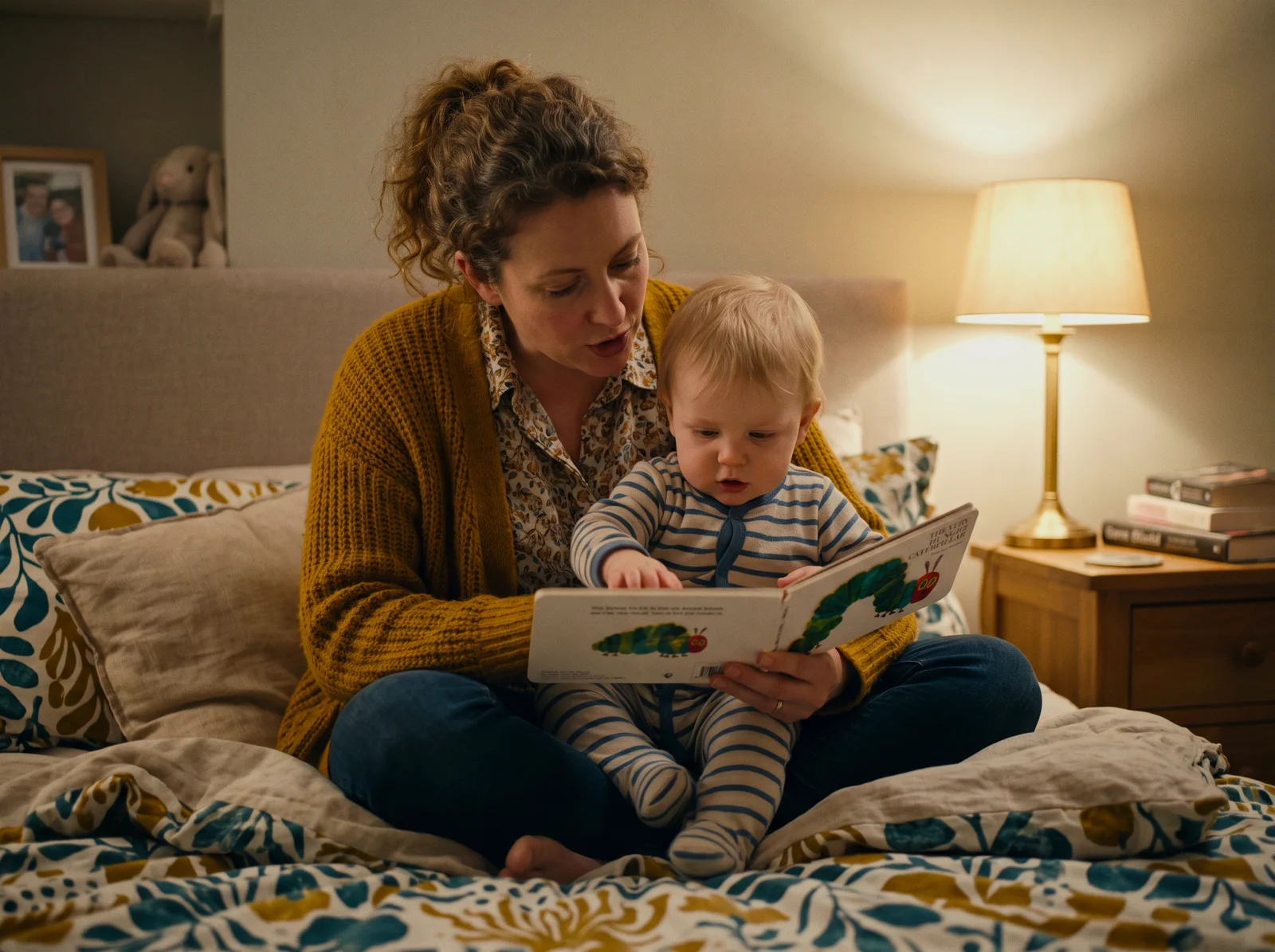 A quiet bedtime moment: a parent reads aloud while a baby points at the pictures, the small nightly ritual of story time that gives every child stability, warmth and undivided attention.
The practical realities
Money & allowances
Every foster carer receives a weekly allowance designed specifically to cover a child's day-to-day living costs, including food, clothing, travel, and activities.
Tax-free
No tax or National Insurance on your fostering income, thanks to standard government tax relief (Qualifying Care Relief). Source: GOV.UK
Baseline payment
The recommended minimum payment per week is set by the government, and is based on the child's age (see below).
Varies by agency
Many fostering providers pay more than the recommended minimum, which is why comparing your options first is so important.
| Age group | Weekly minimum |
|---|---|
| Ages 0 to 2 | £176 per week |
| Ages 3 to 4 | £182 per week |
| Ages 5 to 10 | £201 per week |
| Ages 11 to 15 | £227 per week |
| Ages 16 to 17 | £267 per week |
Support and training
You aren't expected to know everything on day one. Before taking your first placement, you'll complete initial preparation training, followed by ongoing learning modules throughout your fostering career.
Standard support across agencies includes:
- Preparation training: core pre-approval courses to build your practical skills and confidence.
- Supervising social worker: a dedicated point of contact for regular home visits, advice, and ongoing supervision.
- Emergency support: some agencies offer round-the-clock out-of-hours support, so you are never left handling a crisis alone.
What to expect in practice
Fostering is deeply rewarding, but it is also a serious commitment that comes with practical demands. The assessment process takes time: typically 4 to 6 months of background checks, personal references, and in-depth home visits.
Once approved, the day-to-day reality involves supporting children who may have experienced neglect, trauma, or sudden loss. Building trust takes time, and behavioural challenges don't resolve overnight. Knowing these practical realities up front helps ensure you enter the process with clear expectations.
The basics
Before anything else, most agencies are looking for:
- A spare bedroom. Every child needs their own room, so you'll need a bedroom free for them to use.
- Age 21 or over. By law, the minimum age to foster is 18. In practice, almost all local authorities and independent fostering agencies set their own threshold at 21. There's no upper age limit.
- The right to live and work in the UK. British citizenship, settled status or indefinite leave to remain all count.
- Time and stability to commit. Fostering is a long-term responsibility, so agencies look for a settled home life with room for a child's needs.
Beyond that, it's more about who you are than your circumstances. See the common myths below.
Is fostering right for me? Common myths
In short: most adults over 21, whatever their background, can apply to foster.
“I'm too old to foster.”
There's no upper age limit for fostering. What matters is that you're fit, healthy and have the stability to care for a child. Many foster carers start in their 40s, 50s or 60s, often once their own children have grown up.
“I have to own my own home.”
Renting is fine. Agencies look for a stable, secure tenancy with a spare bedroom, not who holds the deed. You may need to ask your landlord's permission before applying, so it's worth checking your tenancy agreement early. If you're settled in your tenancy with room to spare, you can apply.
“I have to be married.”
Single people can absolutely foster. Agencies assess your ability to provide a stable, caring home, not your relationship status.
“I have to be straight.”
Under UK law, everyone has the equal right to foster regardless of their sexual orientation or gender identity. LGBTQ+ foster carers play a vital role across the country, and agencies are eager to support your journey.
“I can't foster if I work.”
Plenty of foster carers work, some full time, some part time. What matters is being flexible enough to meet a child's needs, especially around school runs and settling-in periods. An agency will talk through what's realistic for your situation.
“I need parenting experience or a qualification.”
You don't need to have raised children yourself, and no formal qualification is required. Every approved carer completes preparation training before their first placement, with ongoing support after that.
Is it hard to become a foster carer?
The path to becoming a foster carer is thorough, taking several months of training and background checks. While the assessment is rigorous, it ensures carers have the stability and support to handle the real-world challenges of foster care.
Key steps and timeline
- 1
Enquire with an agency
A short call or online form, usually followed by a home visit within a few weeks to talk through your circumstances and answer your questions.
- 2
Assessment
Background checks, medical and financial checks, personal references, and in-depth home visits, alongside your preparation training. This is the longest stage, typically 4 to 6 months. Source: The Fostering Network — The Journey to Approval
- 3
Approval panel
An independent panel reviews your assessment and makes a recommendation on your approval.
- 4
Matching
Your fostering provider looks at your skills, experience and household to find a child whose needs you're well placed to meet, considering the child's wishes and feelings as well as the impact on your own household. You'll always have a full discussion before a match is confirmed, and you can say no if it doesn't feel right for you or the child. For some placements, there's an introduction period first, giving you and the child a chance to meet before the placement begins. Source: GOV.UK — Fostering Services: National Minimum Standards
- 5
First placement
It's impossible to predict exactly when your first placement will happen. For some carers, a child arrives within weeks of approval; for others, it takes longer while your provider finds the right match. Source: The Fostering Network — The Journey to Approval
Altogether, most people reach approval within 4 to 6 months of their first enquiry. Exactly when your first placement follows depends on finding the right match for you and a child.
Frequently asked questions
Ready to look at agencies?
If fostering sounds like it could be right for you, the next step is finding the right agency for your circumstances. Compare local authorities and independent fostering agencies near you, side by side.